Discover How Youth Allies Power African Arts
African arts volunteer opportunities give young people and their allies a way to stand side by side, learn together, and build stronger communities. When teens and young adults are surrounded by caring adults and near-peers, it becomes easier for them to see their strengths, honor their identities, and stay connected to something bigger than themselves.
At the Community Art Development Initiative (CADI), we think of “youth allies” as anyone who shows up for young people. That can be teens supporting younger kids, college students, educators, parents, caregivers, and community members who believe youth deserve joy, safety, and cultural pride. African and Diaspora arts, wellness, and storytelling give us powerful tools to support that belief in real time.
Through CADI’s programs in the St. Louis region and beyond, youth allies help hold space for drumming, dance, visual art, spoken word, and reflective conversations. In this article, we will walk through why these roles matter, the different ways to get involved, the skills volunteers gain, and the real impact they have in the lives of young people and families.
Why African Arts Volunteer Opportunities Matter
African arts and Diaspora culture speak directly to identity and belonging. For many youth, especially youth of color, learning songs, dances, stories, and visual art connected to African traditions can feel like being given back a piece of themselves. It can affirm that their roots, histories, and families carry wisdom that is worth honoring.
Volunteers help create safe and joyful spaces where this kind of learning is possible. By welcoming youth at the door, passing out drums and art supplies, or encouraging someone to step into a circle dance, allies send a message that young people are seen, valued, and not alone. These small actions build trust, which opens the door for creativity and growth.
African arts volunteer opportunities are also about community health. When people gather around culture and creativity, isolation softens. Elders, parents, and youth meet one another across generations. Neighbors who might never speak in another setting begin to recognize each other, share stories, and connect. In a city like St. Louis, where histories and neighborhoods can feel divided, shared cultural experiences help build a more welcoming and inclusive community.
We want youth allies to know that they do not need to be professional artists or experts in African history to be helpful. Curiosity, reliability, and respect go a long way. Our teaching artists and cultural bearers guide the content, while volunteers help hold the container that makes it all work.
Unique Ways Youth Allies Can Support CADI Programs
There is no single way to be a youth ally with CADI. Some people love being at the center of activities, others prefer quieter support. Both are valuable.
Program support roles might include:
- Assisting teaching artists during workshops or classes
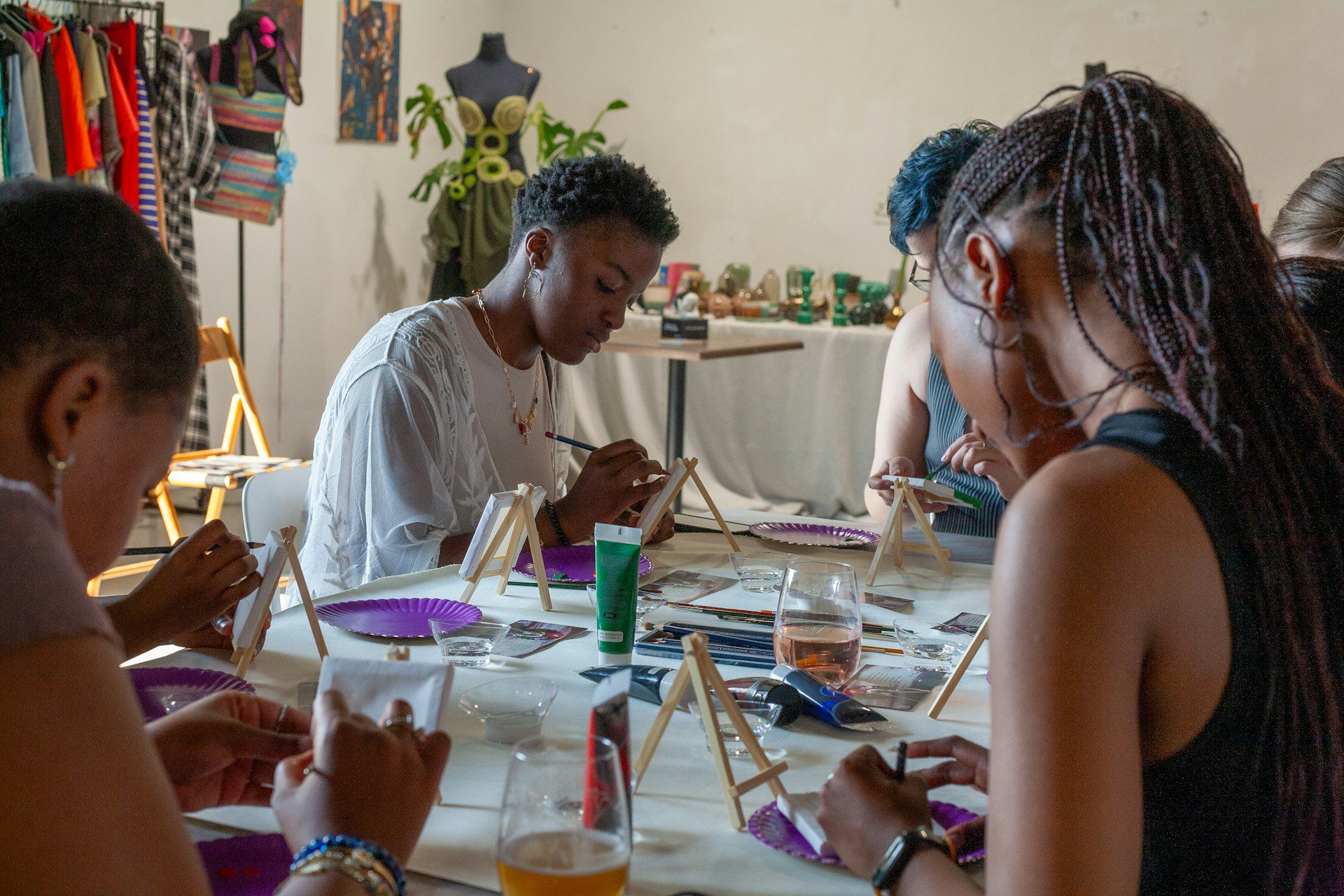
- Helping youth with art materials, choreography, or drumming patterns
- Supporting wellness and reflection activities, like breathing exercises or check-ins
- Greeting families as they arrive, answering simple questions, and helping them feel comfortable
Cultural and event roles are great for people who enjoy a little hustle and community energy. Volunters in these roles might:
- Help set up and break down chairs, tables, and art displays for performances and exhibitions
- Support African storytelling circles by helping with seating, props, or sound
- Staff registration and information tables so participants know where to go
- Offer directions and a welcoming presence at festivals or community events
Some of the most important work happens behind the scenes. Youth allies who are organized or tech-savvy can:
- Support social media, digital storytelling, and basic content ideas
- Help with photography or video documentation of programs
- Assist with light administrative tasks, such as preparing materials or data entry
- Reach out to schools, youth groups, and community partners to share program information
We also create virtual and hybrid opportunities. These can be ideal for youth allies with limited transportation or tight schedules. Examples include online tutoring for arts-related homework, offering tech support during virtual workshops, or helping create simple digital content that celebrates African and Diaspora arts.
Skills Youth Allies Gain Through Arts Volunteering
Volunteering with CADI is not only about giving; it is also about growing. Youth allies pick up skills and insights that carry into school, work, and personal life.
Leadership and communication naturally develop when volunteers:
- Mentor younger participants or model positive behavior
- Communicate with families, staff, and teaching artists
- Help coordinate small groups or transitions between activities
- Learn how to hold space for youth voices without overshadowing them
Cultural literacy and empathy deepen as allies hear stories of African and Diaspora experiences, participate in rituals of welcome and gratitude, and witness how art can be used for healing. Many volunteers describe coming away with a more grounded sense of history and a greater respect for different ways of knowing.
There is also a strong element of career exploration and resume building. Nonprofit arts and education spaces introduce volunteers to:
- Youth development and education
- Arts instruction and event production
- Community organizing and outreach
- Everyday skills, such as time management, teamwork, and problem solving
On a personal level, being around drums, songs, movement, and creative expression can support wellness and confidence. Joining a drum circle, stretching before a dance, or sharing a short reflection alongside youth can help volunteers release stress and reconnect to their own creativity.
Real Impact Stories From the CADI Community
We often see youth allies arrive curious but unsure of what they can offer. Someone might start by helping at a single workshop, passing out supplies and straightening chairs. After a few sessions, they find themselves encouraging a shy middle schooler to join the drum circle or helping a group of teens brainstorm themes for a mural. Over time, that same volunteer may become a steady mentor presence for younger participants.
The impact on youth is just as powerful. When a young person walks into a space and consistently sees volunteers who remember their name, ask about their week, and cheer when they try something new, it changes how they move through the world. Instead of feeling invisible, they experience what it is like to be heard and supported.
The ripple effect continues when volunteers take what they have learned into their own circles. Allies share songs or stories with family, invite teaching artists to speak at their schools, or start small art circles in college dorms and workplaces. In this way, African and Diaspora arts travel beyond our formal programs and into everyday life.
Even a few hours a month can shift the energy of a classroom or event. One extra person helping youth line up for a performance, or sitting beside a nervous first-time participant, can make the difference between someone shutting down or stepping forward.
How to Get Involved with CADI as a Youth Ally
Becoming a youth ally through African arts volunteer opportunities is a simple, step-by-step process. People usually begin by learning about our programs, then filling out a basic interest form so we can understand their availability, skills, and comfort level around youth. An orientation helps everyone get familiar with our approach to African and Diaspora arts, wellness, and storytelling.
Because we work directly with young people and families, there are some typical guidelines. Volunteers who work with minors usually need to meet age requirements, complete background checks where appropriate, and attend training that covers cultural humility and trauma-informed practices. This helps keep spaces safe, respectful, and consistent.
When deciding what kind of role might fit, it helps to ask a few questions:
- How many hours per month feel realistic to offer?
- Do you prefer in person events, virtual opportunities, or a mix of both?
- Are you more comfortable in energetic group settings or focused, behind-the-scenes tasks?
- Which art forms or cultural elements are you most curious about learning alongside youth?
Schools, youth groups, sororities, fraternities, and other community organizations sometimes connect with CADI to explore group volunteer days or ongoing support. These partnerships can give young people more adults in their corner, while also giving groups a shared way to support cultural pride and community wellness.
African arts volunteer opportunities can look many different ways, but they all come back to one core idea. When we stand beside youth as allies, we help create spaces where African and Diaspora arts guide healing, learning, and the imagination of what is possible for the next generation.
Discover Meaningful Ways To Support African Creativity Today
When you join our African arts volunteer opportunities, you directly uplift artists and youth across the diaspora through hands-on cultural programs. At Community Art Development Initiative, we help you match your skills and schedule with roles that create real impact in the communities we serve. Take the next step by signing up to volunteer or contact us with any questions about getting involved.
